
The Lowest Bid Can Be the Most Expensive
CONTRACTOR INSIGHT OF THE MONTH
The Lowest Bid Can Be the Most Expensive Job You Ever Win
Winning the bid is important.
Winning a profitable bid is what keeps a contractor in business.
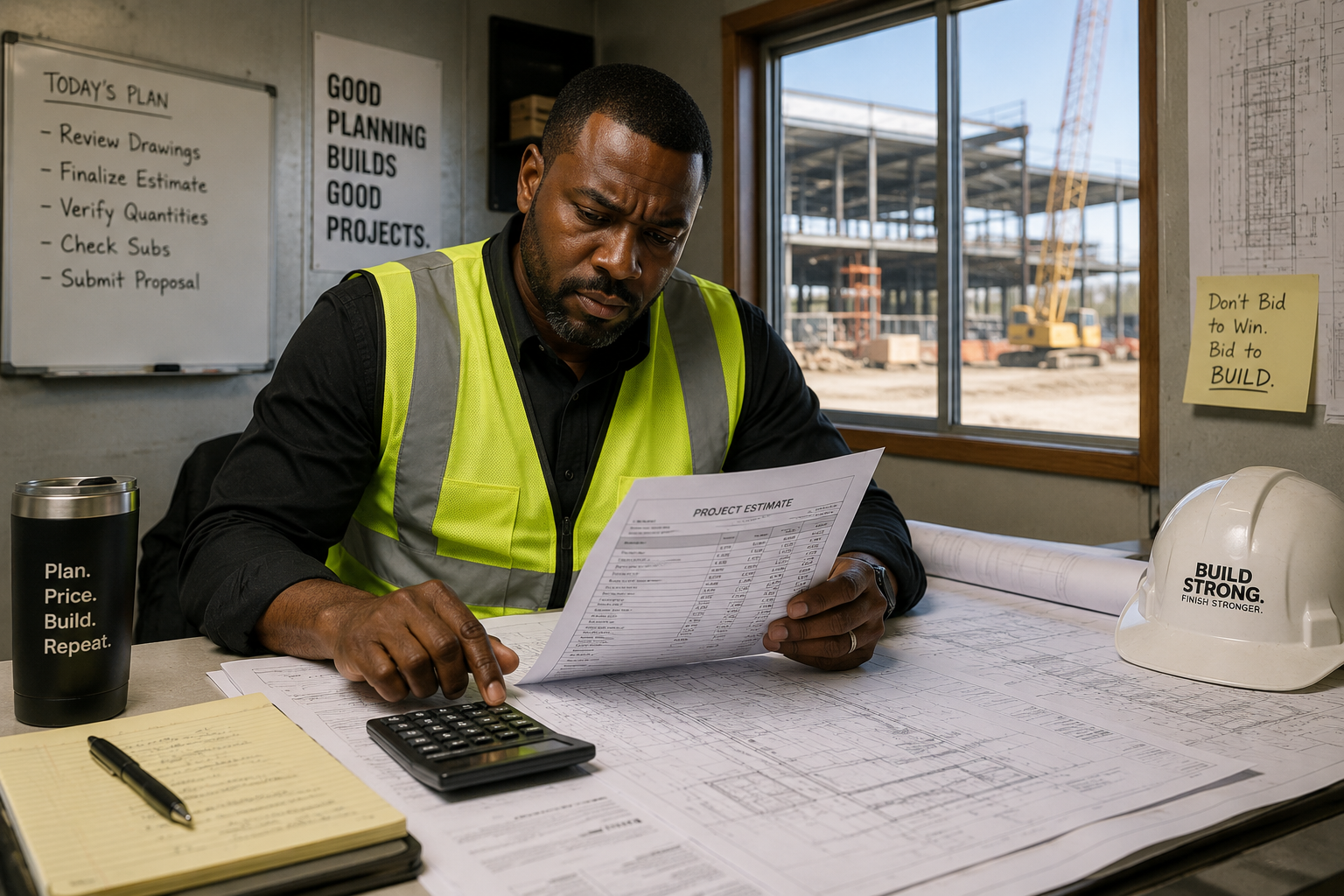
Many contractors believe they need to be the lowest bidder to win commercial work. In reality, the most successful contractors focus on understanding their true costs before they submit a bid.
Too often, estimates include only labor and materials while overlooking expenses that quietly reduce profit.
Some of the most commonly missed costs include:
Mobilization and demobilization
Equipment transportation and fuel
Temporary facilities and jobsite utilities
Project management and supervision
Storage and laydown areas
Insurance and workers' compensation
Prevailing wage impacts
Certified payroll administration
Retainage
Contingency
General overhead
Every one of these costs comes directly out of your profit if it isn't included in your estimate.
REAL-WORLD EXAMPLE
A plumbing subcontractor estimated a commercial renovation project at:
Labor: $55,000
Materials: $42,000
Estimated Bid: $111,550
After accounting for labor burden, prevailing wage, mobilization, project management, temporary facilities, overhead, contingency, and profit, the true bid became:
$159,603
Difference: $48,053
That isn't the difference between being competitive and expensive.
It's the difference between earning a profit and unknowingly financing the project yourself.
Want the complete estimating guide?
Download our Commercial Estimating & Profitability Guide for a detailed plumbing subcontractor case study, a step-by-step commercial estimating walkthrough, and a checklist of the hidden costs that contractors often miss when bidding projects.